
Past News
Energy demand, sources will change with Indiana’s climate
February 19, 2019
Hoosiers will heat homes and businesses less but rely more on air conditioning as Indiana’s climate warms. They’ll also get more of their energy from natural gas and renewable sources as those become more cost-effective throughout the rest of the century. That’s according to the latest Indiana Climate Change Impacts Assessment report, “Climate Change and Indiana’s Energy Sector,” released Tuesday (Feb. 19). The Purdue Climate Change Research Center in Purdue’s Discovery Park coordinates the IN CCIA, which includes researchers from dozens of Indiana universities and stakeholder groups. A video highlighting key findings of the report can be found at https://youtu.be/6bKdcaQuzWc.
Millions of tons of the world’s plastic waste could be turned into clean fuels, other products through chemical conversion
February 6, 2019
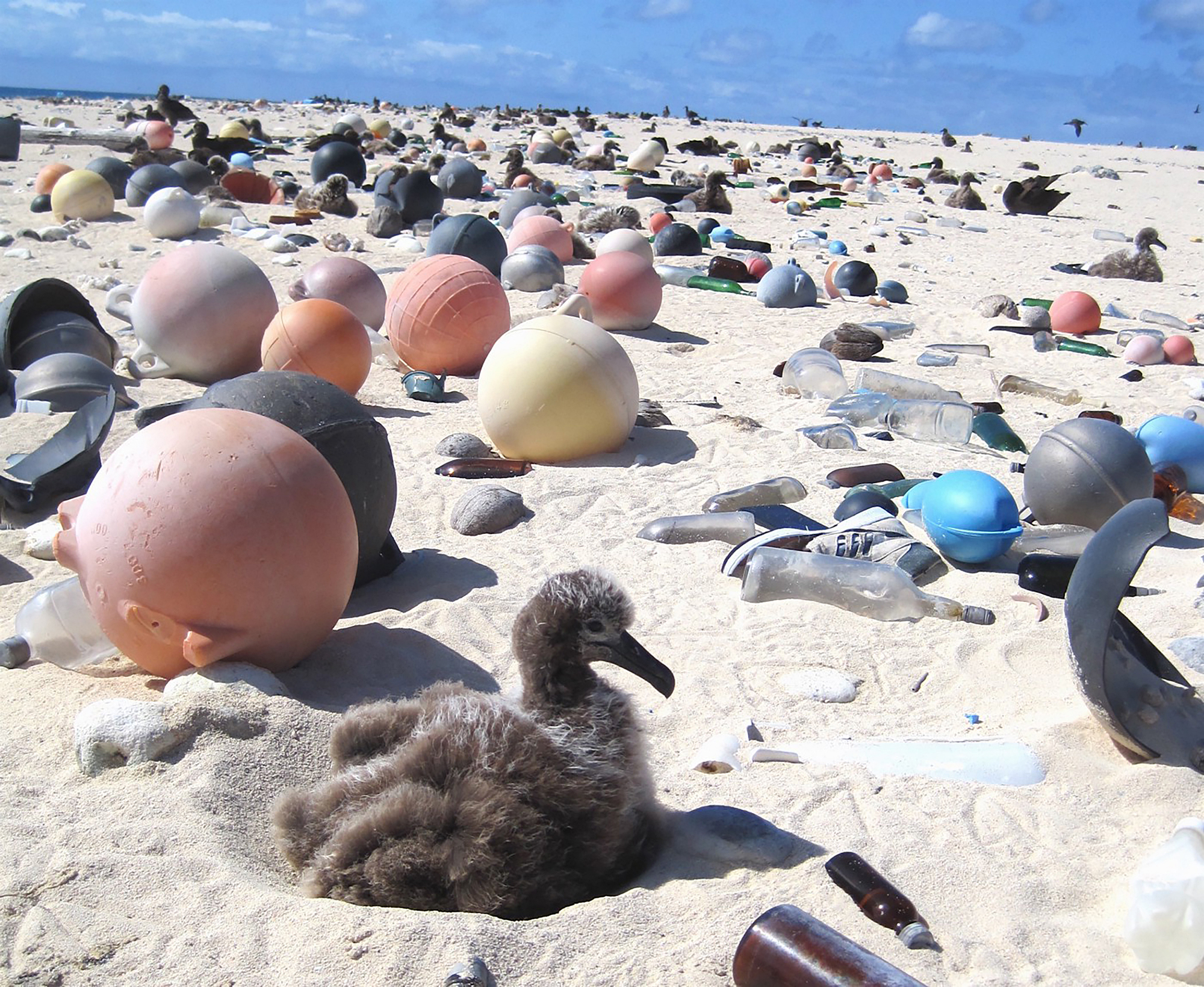
The United Nations estimates that more than 8 million tons of plastics flow into the oceans each year. A new chemical conversion process could transform the world’s polyolefin waste, a form of plastic, into useful products, such as clean fuels and other items.
Millions of tons of the world’s plastic waste could be turned into clean fuels, other products through chemical conversion
West Lafayette City Council votes to reduce plastic straw use
February 5, 2019
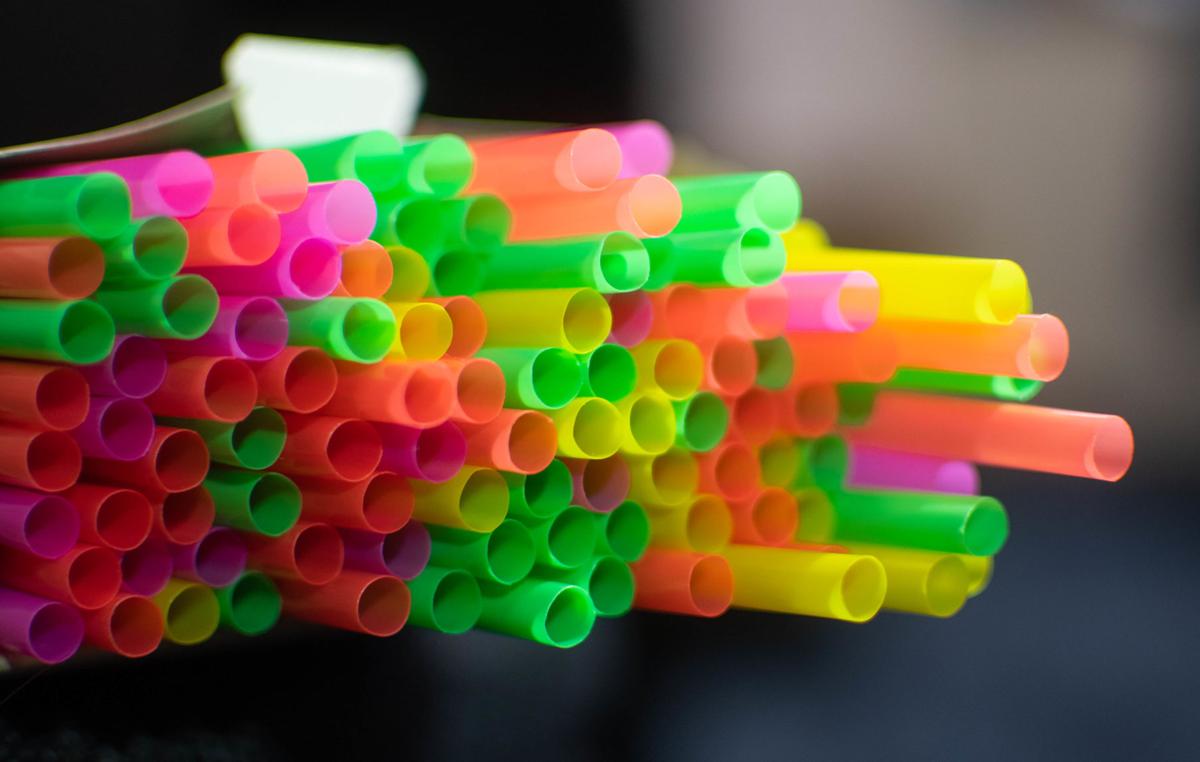
The West Lafayette City Council voted unanimously in favor of a resolution that would urge commercial and educational establishments, such as Purdue, to reduce the use of plastic beverage straws and prevent plastic straws from being distributed at city facilities.
West Lafayette City Council votes to reduce plastic straw use
Food for thought: What IF food was digital?
February 4, 2019
Have you ever thought how artificial intelligence could improve how an apple tastes or how it is grown? And what about moving farming indoors? Would doing so solve problems related to food security and sustainability?
What IF the world ran on 100 percent renewable energy?
January 24, 2019
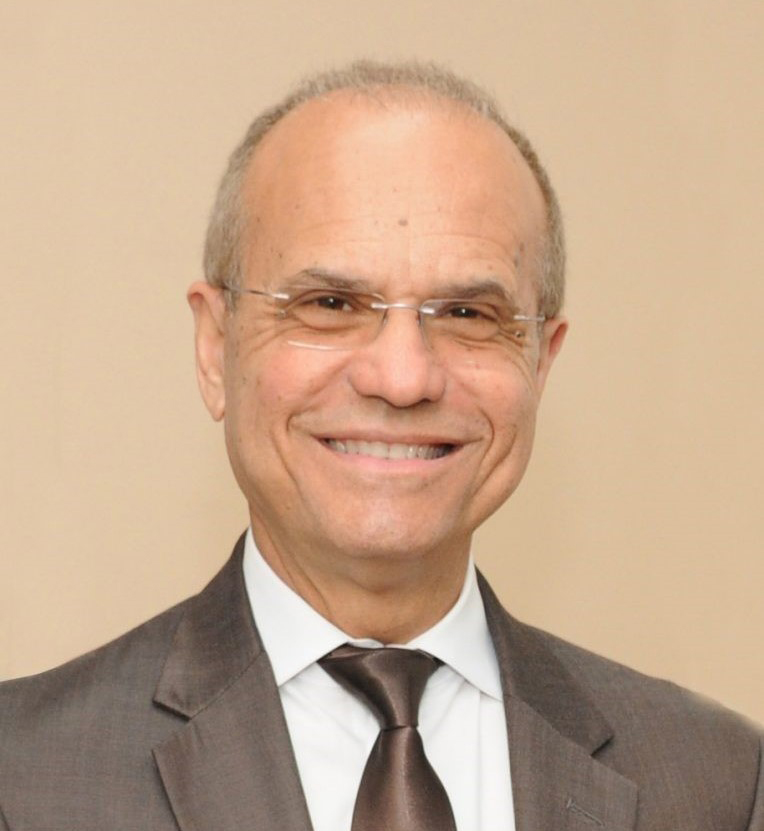
Hurricane Maria devastated Puerto Rico, and the Caribbean island will be struggling to rebuild for years. But what does rebuilding look like and how can renewable energy be a part of those efforts? Jorge Haddock, president of the University of Puerto Rico, will address this question in his lecture “What IF the world ran on 100 percent renewable energy?” Haddock, a Purdue graduate and business leadership authority, is in the unique position of leading one of the island’s cornerstone socioeconomic institutions during post-hurricane recovery. He will discuss the global future of renewable energy and how Puerto Rico is approaching the idea. Topics will include the risks and rewards of switching to 100 percent renewable energy in an environmentally turbulent area, Puerto Rico’s short- and long-term plans for renewable energy use, and the island’s ongoing renewable energy research and its participation in international sustainability initiatives.
Too much of a good thing: Venice’s tourism wave highlights industry’s struggle to become sustainable
January 23, 2019
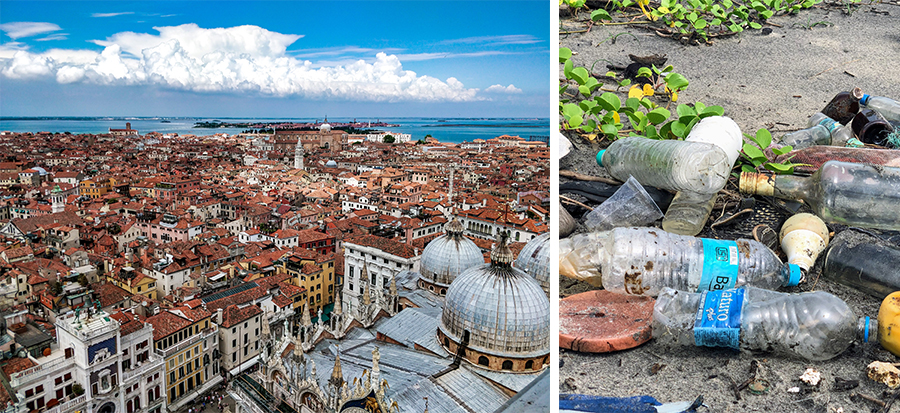
Venice, Italy is the most recent vacation hotspot overrun by tourists, prompting the popular destination to implement a “visitor’s tax” on day trips to the historic city.... “There’s been an interesting change in the way we think about tourism, particularly over the last couple of years,” said Jonathon Day, an associate professor in Purdue University’s School of Hospitality and Tourism Management.
Too much of a good thing: Venice’s tourism wave highlights industry’s struggle to become sustainable
Third annual Discovery Park Convergence Conference set for Jan. 24
December 20, 2018
Discovery Park will hold its third annual Conference on Convergence and the Future of Research on Jan. 24. The event, which is free and open to the public, will run 11 a.m.-6:30 p.m. It will include a Lunch and Learn with Discovery Park Undergraduate Research Internship students and a series of Voss Talks (TED-style talks) presented by the winners of Discovery Park’s Big Idea Challenge, followed by a panel discussion. A reception for speakers and attendees will take place after the discussion.
Third annual Discovery Park Convergence Conference set for Jan. 24
Young, hip farmers: Coming to a city near you
December 4, 2018
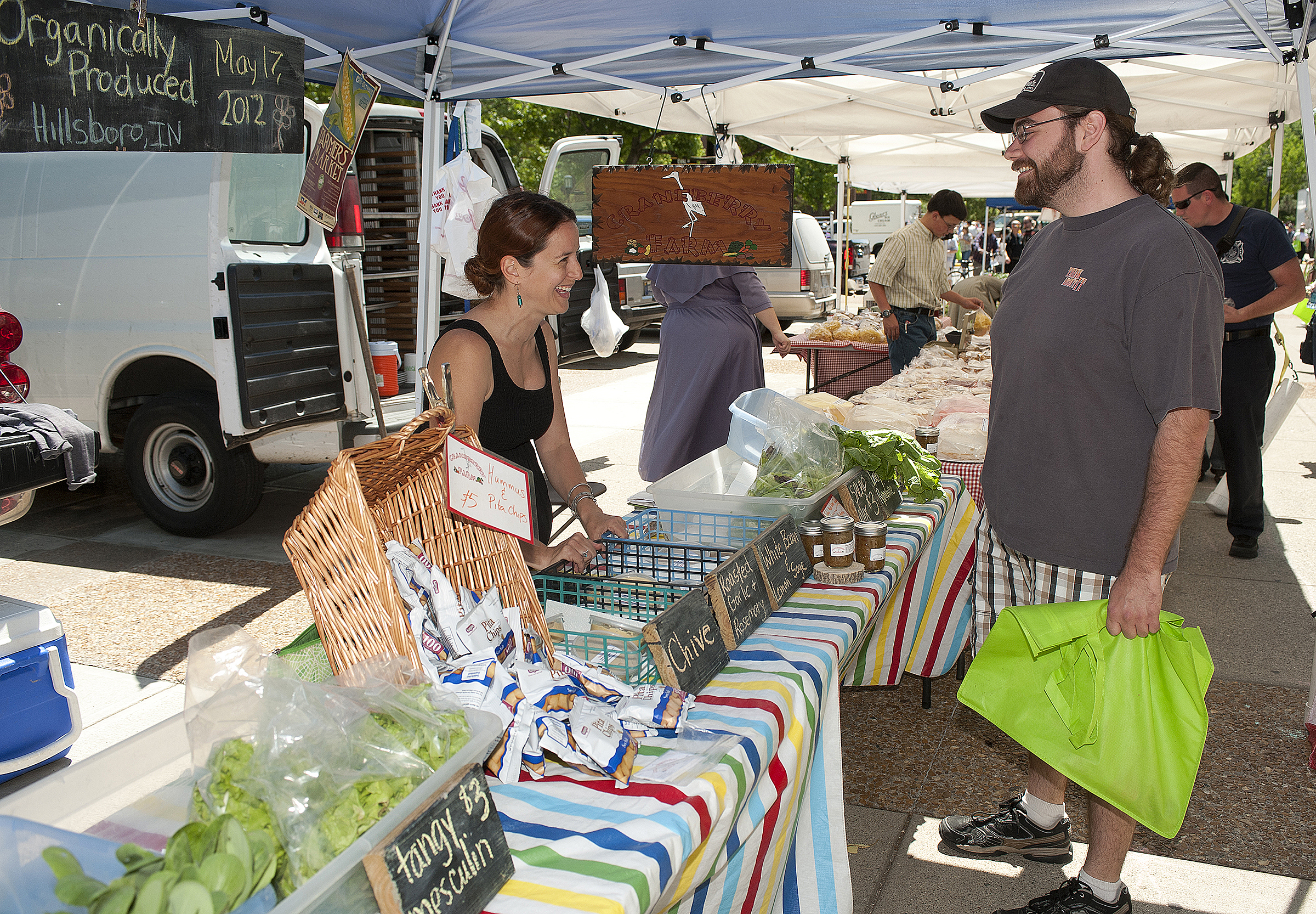
If you’ve been to your neighborhood farmers market or seen a small “local” section pop up in your grocery store, you may have noticed a trend: People want to know where their food is coming from, and the agricultural industry is responding. The number of farmers markets in the U.S. has skyrocketed in recent years, but with an aging population of farmers, who’s supporting this growth?
Flint, Michigan, lead crisis should have buried the city in water bottles. So, why didn't it?
December 3, 2018
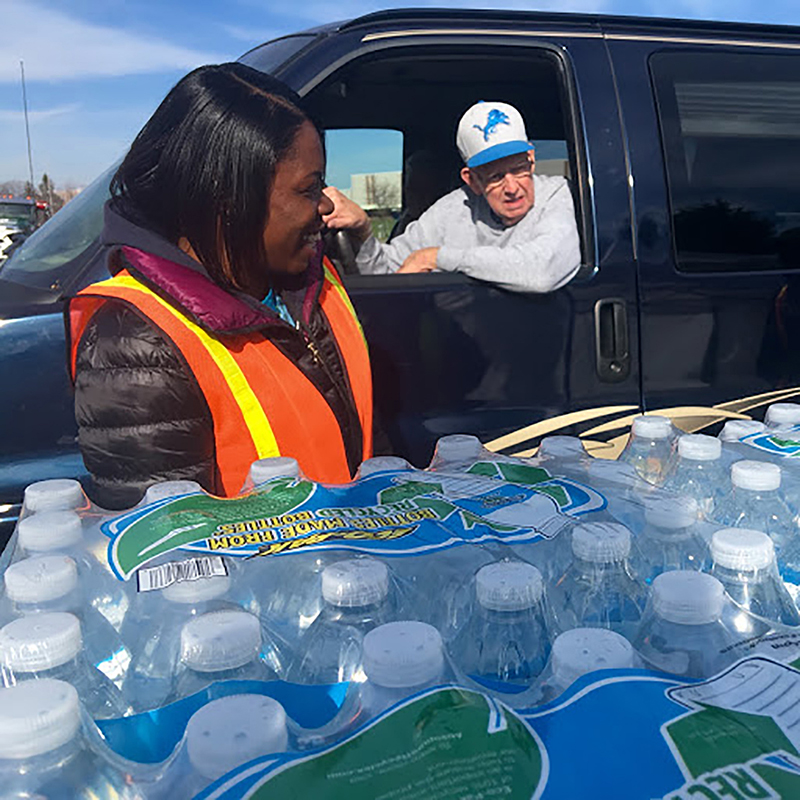
One hundred thousand residents of Flint, Michigan, could use water only from bottles or filters during a years-long lead contamination crisis, which started when the city switched to a new drinking water source in 2014. As part of a class assignment that grew into a case study, Purdue University researchers found that during the first three weeks of the disaster alone, anywhere from 31 to 100 million bottles were generated as waste. This means that Flint should have been buried in plastic by the time the crisis ended in 2017.
Flint, Michigan, lead crisis should have buried the city in water bottles. So, why didn't it?
Research Study Abroad Experience in Peru
December 3, 2018
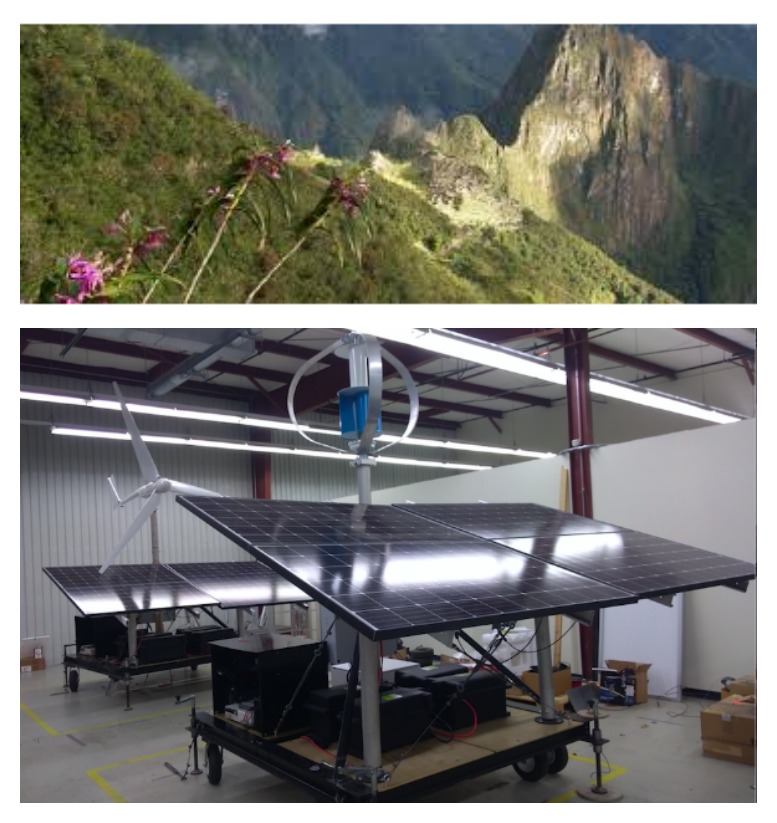
A series of short presentations and demonstrations at Universidad Nacional de San Agustin de Arequipa (UNSA) and Universidad Nacional de San Antonio Abad del Cusco (UNSAAC) will be part of the visits. Objectives: To develop a deep understanding of renewable energy as well as other potential sources of energy for Peru. To learn to integrate wind energy, solar systems with water nexus, storage, irrigation or other areas (e.g., agriculture), economics and policy. Evaluate the history of Incas Empire in terms of engineering, energy and sustainability.