
Past News
Environmental Toxicologist Jennifer Freeman selected to scope plan to assess the hazards of ‘Organohalogen Flame Retardants’
July 5, 2018
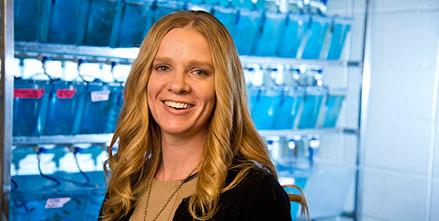
Jennifer Freeman, associate professor in the School of Health Sciences, has been a named to a new National Academy of Science committee to review the toxicity of flame-retardants materials.
Discovery Park's chief scientist addresses congressional committee in Peru
June 18, 2018
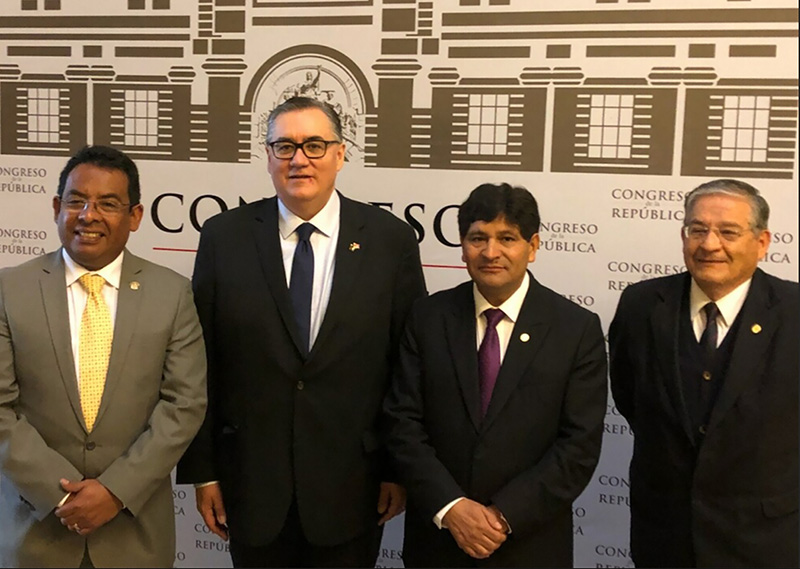
Discovery Park's tagline, "Where disciplines converge to solve global challenges," gains real-world application through international partnerships. Tomás Díaz de la Rubia, Discovery Park's chief scientist and executive director, spoke Tuesday (June 12) to members of Peru's Congress as part of one such partnership -- presenting the mission of Discovery Park and an overview of the Arequipa NEXUS Institute for food, energy, water and the environment.
Read More about "Discovery Park's chief scientist addresses congressional committee in Peru"
C4E faculty Laura Bowling discusses how climate shifts could hurt Indiana Corn
June 15, 2018
Purdue Center for the Environment faculty, Laura Bowling discusses how climate shifts could hurt Indiana corn in a segment on listener supported radio station, WMOT Roots Radio. Listen to a radio version of this story "A new study predicts the U.S. could lose nearly half of its corn by the end of the century due to climate. That could have detrimental effects in Indiana, the country’s fifth largest corn-producing state. Corn production in Indiana has been increasing for decades, largely because of advances in genetics. Still, Indiana stands to lose up to 30 percent of its corn yield by the 22nd century. That’s according to Laura Bowling, a professor in Purdue University’s agronomy department."
C4E faculty Laura Bowling discusses how climate shifts could hurt Indiana Corn
New efficient and economical technique helps remove pharmaceuticals, chemical contaminants from public water systems
June 12, 2018
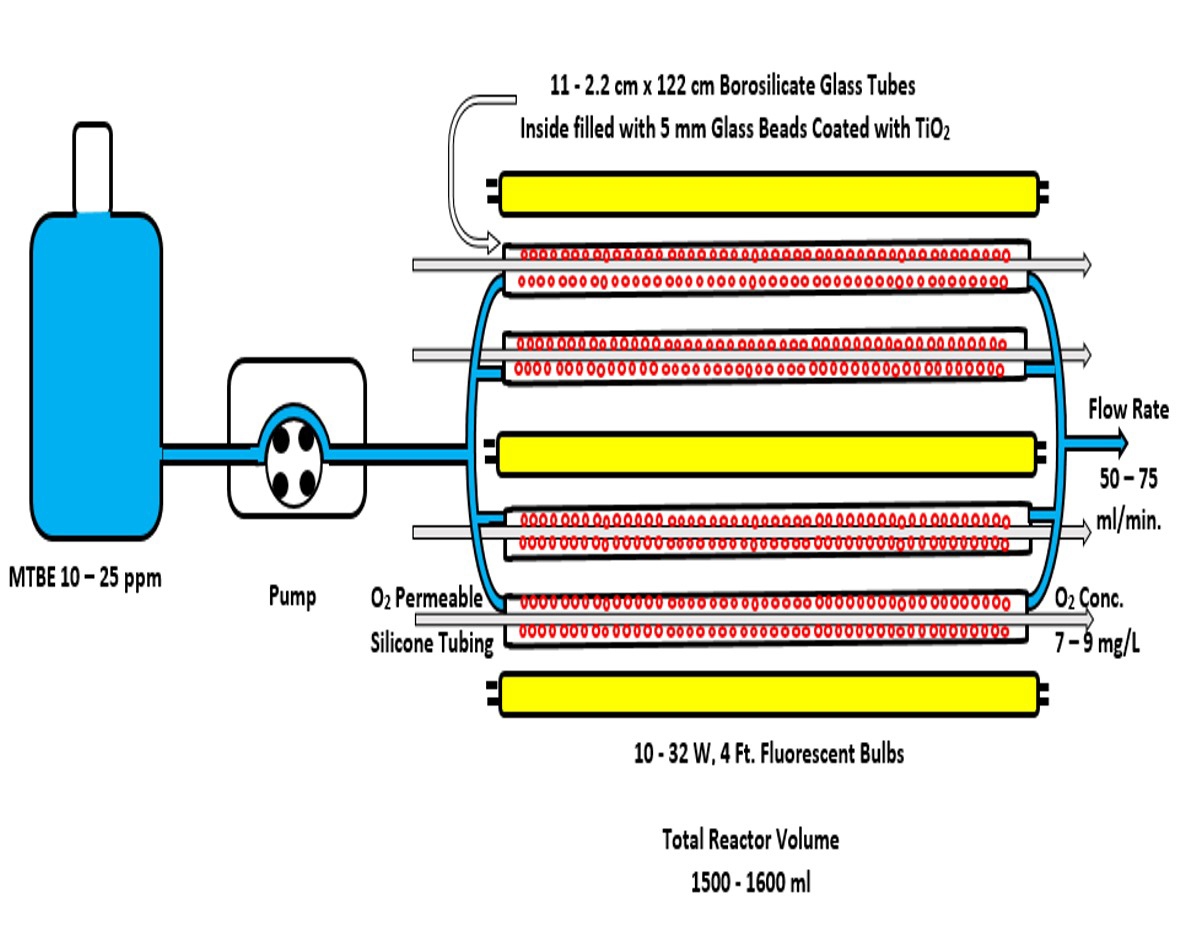
As the controversy surrounding the Environmental Protection Agency and water contamination heats up in Washington, D.C., Purdue University researchers have developed a technology to remove pharmaceuticals, including antibiotics and controlled substances, and chemical contaminants from public water systems.
GTAP to address pressing trade issues at 21st annual Conference on Global Economic Analysis
June 5, 2018
The 21st annual Conference on Global Economic Analysis, hosted by the Center for Global Trade Analysis (GTAP) at Purdue University and the Universidad de Cartagena, will take place June 13-15 in Cartagena, Colombia. The theme of this year’s conference is “Framing the Future through Sustainable Development Goals.”
Farmers drop organic labels over certification process, access to markets, study says
May 31, 2018
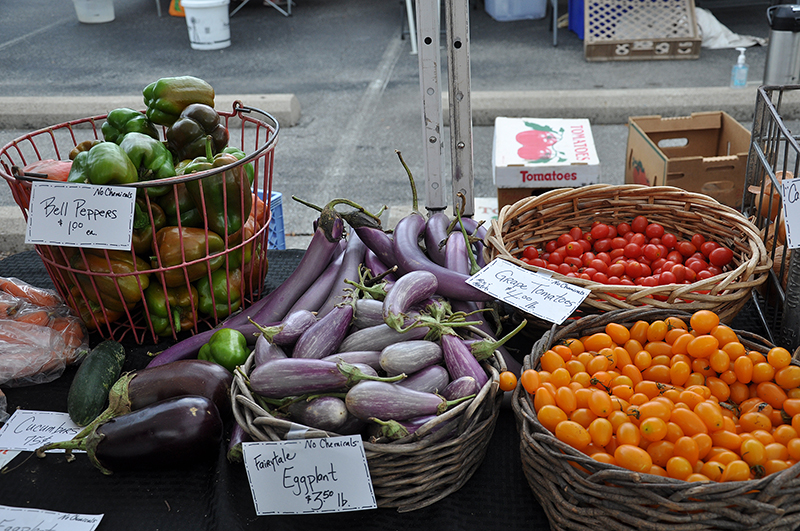
Midwestern fruit and vegetable farmers are more likely than their counterparts in other regions to give up federal organic certification, according to a Purdue University study. Access to organic markets and consumers as well as the demands of obtaining and retaining certification seem to be the most significant drivers of their decisions.
Ocean-migrating trout adapt to freshwater environment in 120 years

May 29, 2018
Steelhead trout, a member of the salmon family that live and grow in the Pacific Ocean, genetically adapted to the freshwater environment of Lake Michigan in less than 120 years.
Read More about "Ocean-migrating trout adapt to freshwater environment in 120 years"
Cultural evolution of normative motivations for sustainable behaviour
May 23, 2018
An emerging literature on the evolution of culture can offer new explanations for how norms encourage or obstruct sustainable practices. In particular, dual-inheritance theory describes how interactions between genetic and cultural evolution give rise, in part, to prosociality. Based on this theory, we identify the concept of normative motivation — internalized desires to follow and enforce norms. We discuss the utility of this concept in progressing two major research agendas across the social and behavioural sciences: the impact of motivation on cognition and normative behaviour, and the influence of norms on the policy process.
Cultural evolution of normative motivations for sustainable behaviour
Review of common construction practice finds environmental contamination, need for improved oversight and monitoring
May 16, 2018
An in-depth review of environmental protections for a common storm water culvert repair practice — cured-in-place pipe repair, or CIPP — has revealed differing installation practices across states, water contamination incidents in 10 states and Canada, and lack of safety data for existing installation practices. Funded by six states, Purdue University researchers examined past water contamination incidents, environmental studies, industry practices and construction specifications from 32 states. Creek, river, pond, and sometimes drinking water contamination incidents were found in 10 states: Alabama, California, Colorado, Connecticut, Florida, Georgia, Minnesota, Oregon, Vermont and Washington.
Review of common construction practice finds environmental contamination, need for improved oversight and monitoring
Technology turns smartphones into on-the-spot detectors for foodborne illnesses, other dangerous contaminants
May 15, 2018
Researchers have developed detection technology that allows a typical smartphone to analyze produce for foodborne pathogens such as E. coli O157:H7, which has been linked to a deadly outbreak in romaine lettuce.